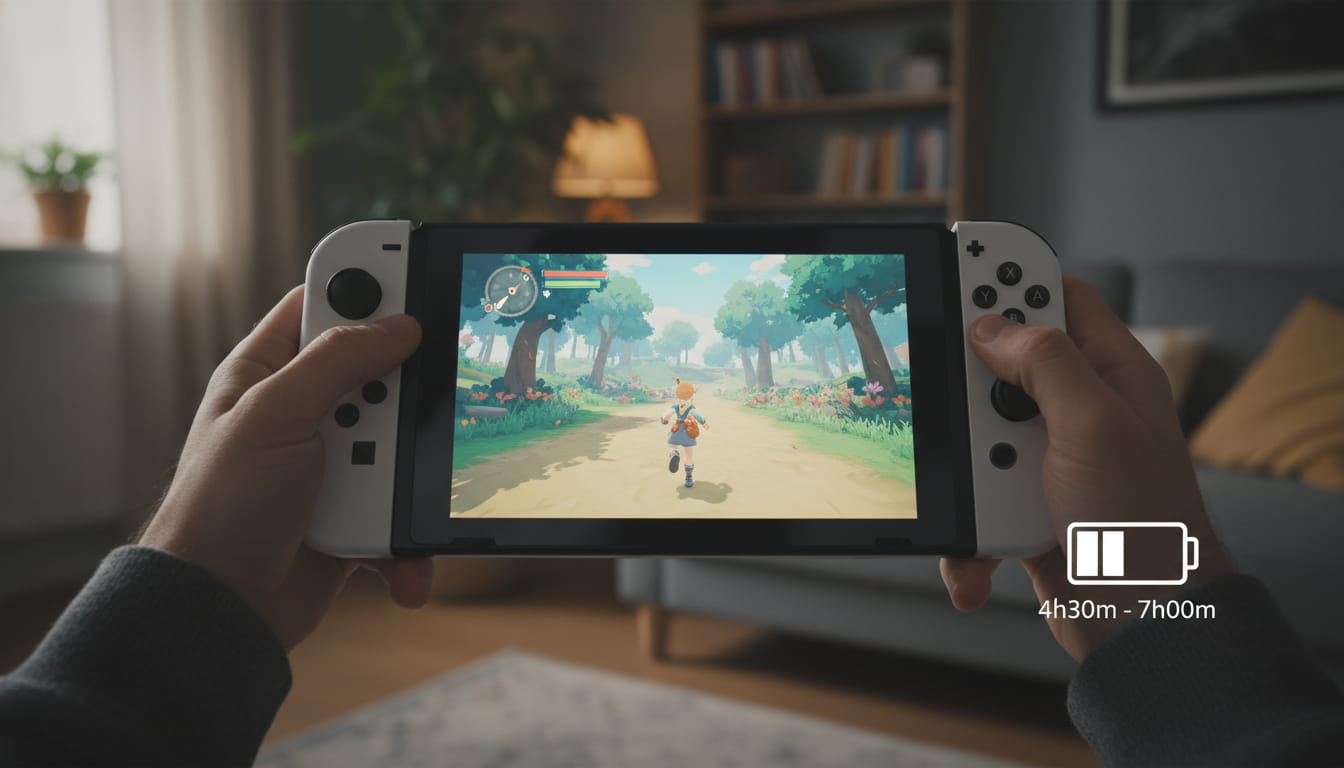
Why Nintendo Switch OLED Battery Life is 4.5 to 9 Hours (And How to Maximize It)
If you’re considering the Nintendo Switch OLED—or already own one—you’ve probably asked:
“Why does the Nintendo Switch OLED battery life of 4.5 to 9 hours”
That range sounds huge, and it confuses a lot of users. Some report long gaming sessions, while others see the battery drop quickly. The truth is: both experiences are normal.
This guide breaks down exactly why Nintendo lists 4.5–9 hours, what affects real-world battery life, and how to get the most playtime from your Switch OLED.
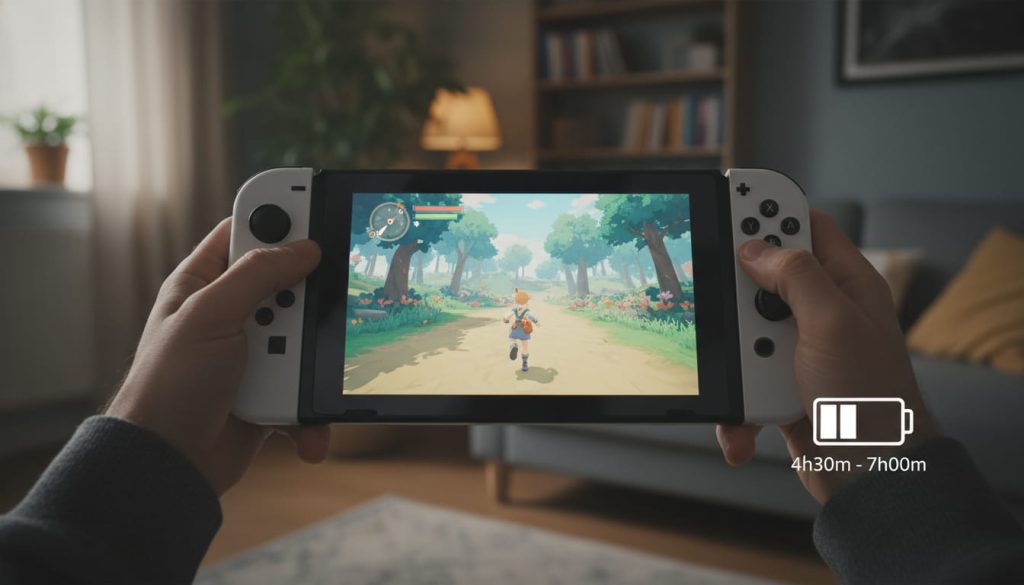
Nintendo Switch OLED Model Battery Life (4.5 to 9 Hours Explained)
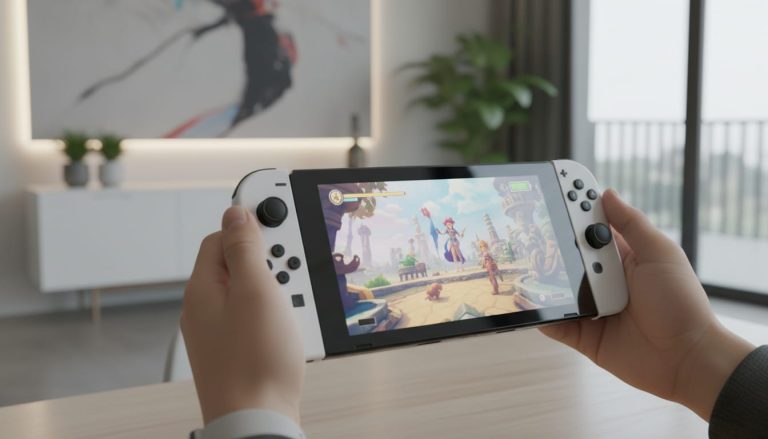
The Nintendo Switch OLED battery life ranges from approximately 4.5 to 9 hours, depending on usage conditions. Nintendo officially states this range because battery performance changes based on game type, brightness, wireless activity, and system load.
This is not a flaw—it’s how portable gaming hardware works in real-world conditions.
Why Nintendo Lists a Wide Battery Range (4.5–9 Hours)
Different Games, Different Power Demand
In real-world use, game complexity is the biggest factor affecting battery life.
- Lightweight games (2D, indie, turn-based)
→ 7–9 hours - Moderate games (platformers, casual multiplayer)
→ 6–7 hours - Heavy AAA titles (open-world, high graphics)
→ 4.5–5.5 hours
Many users report longer battery life when playing indie or retro-style games, while visually demanding titles drain power faster.
Nintendo Switch OLED Battery Specifications
Battery Hardware Overview
- Battery capacity: 4310 mAh
- Same capacity as: 2019 revised Switch
- OLED screen impact: More efficient per pixel than LCD
Despite the larger OLED display, the Switch OLED does not consume more power overall thanks to improved panel efficiency.
Real-World Battery Life by Usage Scenario
Handheld Gaming (Most Common)
From practical experience:
- Brightness at 50%
- Wi-Fi on
- Sound through speakers
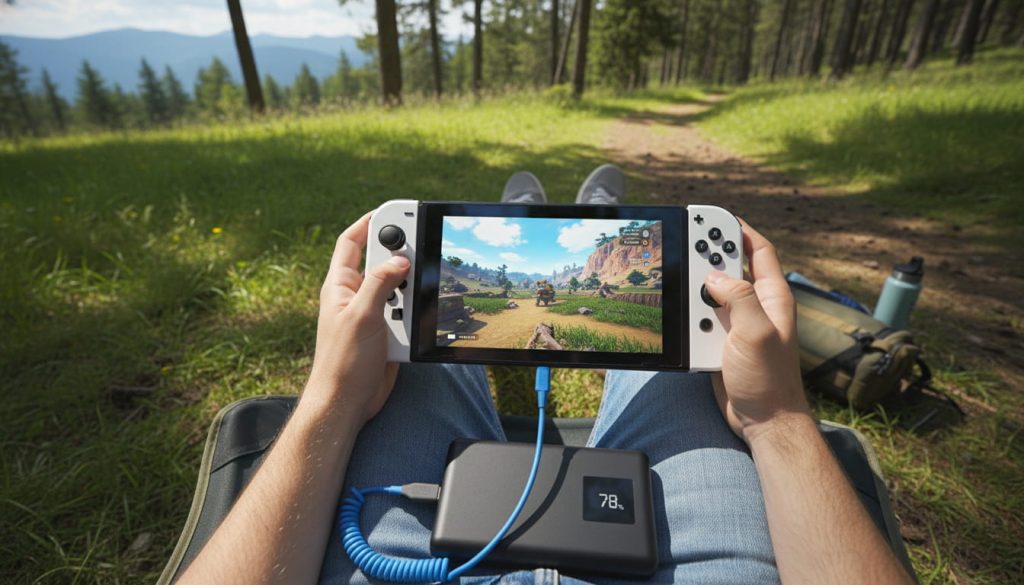
→ Average: 5.5–7.5 hours
Maximum Battery Scenario
- Low brightness
- Offline play
- Lightweight games
→ Up to 9 hours
Minimum Battery Scenario
- High brightness
- Online play
- Graphically intense games
→ Around 4.5 hours
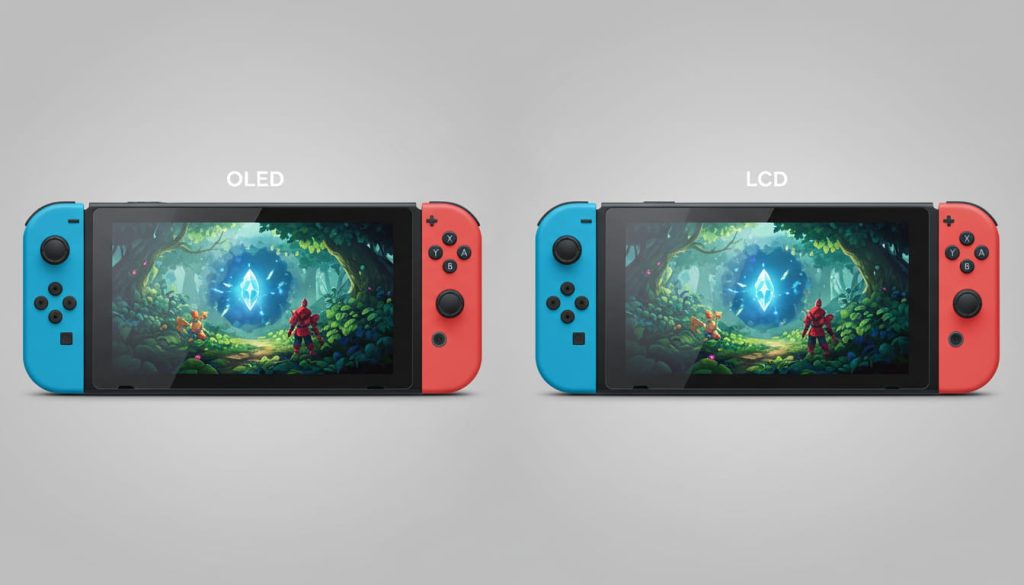
Does the OLED Screen Drain More Battery?
OLED vs LCD Power Behavior
OLED screens:
- Turn off individual pixels for black areas
- Use less power for dark scenes
- Are more efficient than older LCD panels
In many real-world situations, OLED actually saves battery compared to LCD when brightness is controlled.
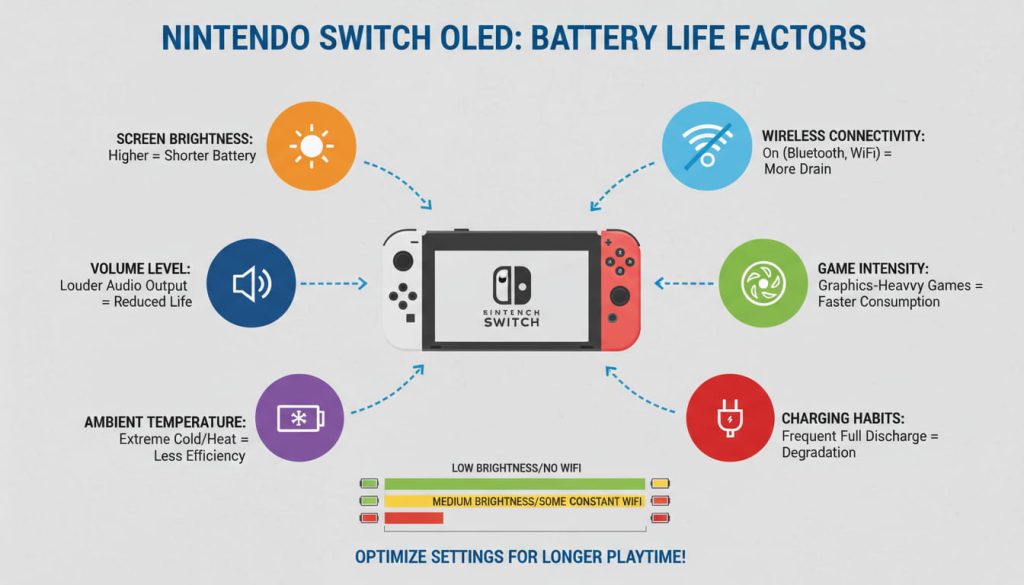
What Shortens Switch OLED Battery Life Faster
Common Power Drains Beginners Miss
From user reports and long-term testing:
- Maximum brightness
- Constant online connectivity
- Downloading updates while gaming
- Bluetooth accessories
- Vibration feedback enabled
These factors stack together and can significantly reduce playtime.
How to Extend Nintendo Switch OLED Battery Life
Proven Battery-Saving Tips
- Lower brightness to 40–60%
- Enable auto-brightness
- Disable vibration
- Turn off Wi-Fi when offline
- Close background downloads
Many users report gaining 1–2 extra hours using these simple changes.
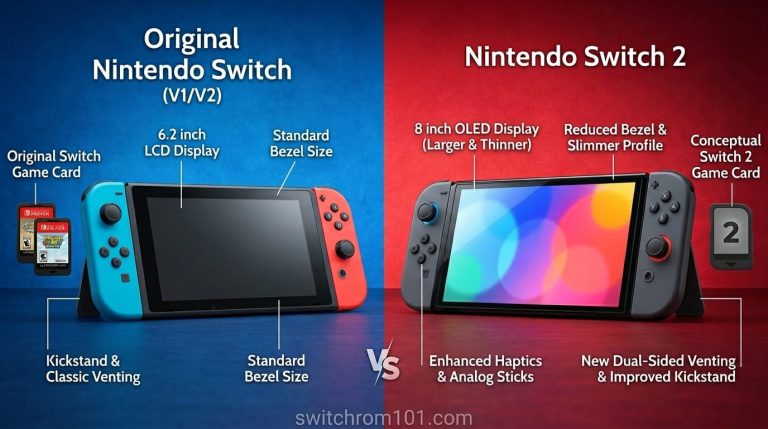
Is the Switch OLED Battery Better Than Other Models?
Quick Comparison
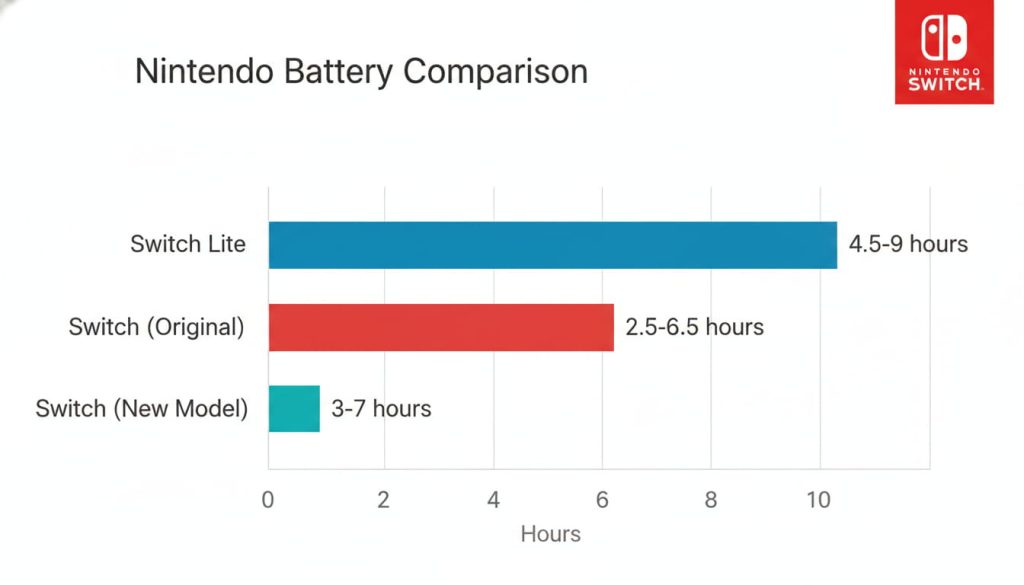
- Original Switch (2017): 2.5–6.5 hours
- Switch Lite: 4–7 hours
- Switch OLED: 4.5–9 hours
The OLED model offers the best overall balance of screen quality and battery life in the Switch lineup.
FAQ: Nintendo Switch OLED Battery Life (Voice Search Optimized)
How long does the Nintendo Switch OLED battery last?
Between 4.5 and 9 hours, depending on the game and settings.
Why does my Switch OLED battery drain faster than expected?
High brightness, online play, and demanding games reduce battery life quickly.
Is 4.5 hours normal for Switch OLED?
Yes. This is expected during heavy gaming sessions.
Does OLED screen reduce battery life?
No. OLED is more efficient than LCD in many scenarios.
Can I play while charging?
Yes, but charging is slower during gameplay.
The Nintendo Switch OLED battery life of 4.5 to 9 hours is completely normal and reflects real-world usage differences—not hardware inconsistency.
Once you understand what affects battery drain, the OLED model becomes one of the best balanced handheld gaming systems available, combining premium visuals with solid portability.
How long does your Switch OLED last during real gaming sessions?
Share your experience below—or explore our other Switch guides for deeper performance insights.
- Switch 1 Games on Switch 2: What Runs Better, What Needs Old Joy-Cons, What’s Broken (2026)
- Best microSD Express Cards for Switch 2 in 2026: Tested After the Firmware 22 Issue

(GameOverlord) has been involved in Nintendo Switch emulation
since 2019. She owns two Nintendo Switch consoles and a Steam Deck OLED,
and has hands-on tested over 40 Switch titles across Ryujinx and
Sudachi emulators. Her background is in consumer electronics and
she has followed emulation law developments in the US, UK, and EU
since the Yuzu shutdown in 2024. SwitchROM101 was built to fill the
gap left by misleading ROM sites — giving gamers accurate, legal,
and technically correct information without hosting any game files.